Magnetic Connectors are no longer limited to niche charging accessories. They now support medical devices, industrial sensors, consumer electronics, and compact power systems. MarketsandMarkets’ 2024 Electronic Connectors Market report values the sector at approximately USD 84.5 billion in 2023. It projects continued growth through 2028, driven by automation, vehicle electrification, and connected equipment. That growth creates more choices, but also more ways to buy the wrong connector.
A connector may look simple on a product page. Its real performance depends on contact resistance, rated current, voltage, mating cycles, and magnetic retention. IEC 60512 provides recognized test methods for connector electrical and mechanical performance. Buyers should also review relevant UL requirements, supplier test reports, and traceable material specifications. TE Connectivity’s recent industry reporting highlights reliability, miniaturization, and harsh-environment performance as continuing design priorities. These concerns matter when a connector sits near vibration, dust, heat, or repeated cable movement.
This guide presents 10 practical tips for buying Magnetic Connectors. It focuses on details that are easy to overlook, including polarity, pin configuration, waterproofing, cable flexibility, and failure protection. A higher current rating does not always mean safer operation. A stronger magnet may also increase separation force beyond what a small device can tolerate. No checklist is perfect. Real testing remains essential. If possible, examine samples under actual load, bend the cable repeatedly, and inspect contact heating with a thermal camera. These small checks can reveal weaknesses that polished specifications hide. Reliable purchasing requires both published evidence and careful engineering judgment.
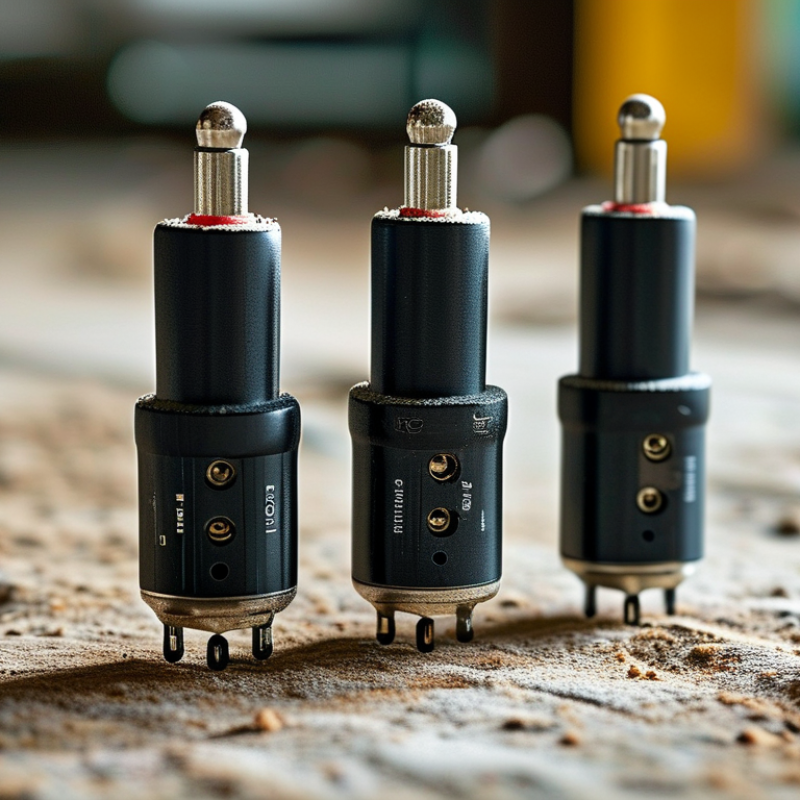
10 Tips for Buying Magnetic Connectors
Understanding Magnetic Connector Types and Applications
Magnetic connectors differ by contact design, coupling strength, and intended environment. Pogo-pin models suit charging docks, test fixtures, and compact control panels. Their spring contacts tolerate small height differences, but dirt can reduce electrical contact. Flat-pad connectors provide a simple mating surface for removable power leads. They are convenient, though vibration may cause intermittent connections. Breakaway magnetic connectors separate under side force, helping protect cables and equipment.
Match the connector to the application, not only the advertised current. A small medical sensor may need low contact resistance and stable signal shielding. A workshop device may require stronger magnets and a sealed housing. Check voltage, continuous current, temperature range, mating cycles, and ingress protection. Measure the connector after assembly. Cable heating is an important warning sign. Polarity protection also matters, especially when users can attach the connector by touch.
Look closely at alignment features. Keyed shapes prevent reversed connections, while magnets guide the final millimeters. This feels effortless. However, magnetic force does not replace mechanical retention in every installation. For moving equipment, add a latch or strain relief when separation could interrupt operation. Inspect plating thickness, spring force, and exposed metal before purchase. I once underestimated cable flex during a prototype test, and repeated bending loosened the contact. The connector worked on the bench, but not after real movement. Small details often decide reliability.
: Pogo-pin connectors suit charging docks, test fixtures, and compact control panels. Spring contacts handle small height differences. Flat-pad connectors offer simple removable power connections. Breakaway types separate during side impacts, protecting cables and equipment.
Match the connector to its actual environment. Check voltage, continuous current, temperature range, mating cycles, and protection requirements. A workshop device may need stronger magnets and a sealed housing. A small sensor may need low resistance and signal shielding.
No. Strong magnets do not replace mechanical retention. Moving equipment may need a latch or strain relief. Otherwise, vibration or cable movement can interrupt power. The strongest pull is not always the safest choice.
Look for keyed shapes and polarity protection. These features reduce reversed connections. Magnets guide the final few millimeters. Still, inspect alignment under dim light and hurried use.
Plated contacts can resist oxidation and reduce electrical losses. Coated magnets resist moisture-related corrosion. Stainless steel housings suit outdoor assemblies but add weight and cost. Exposed metal deserves careful inspection.
No. An IP rating mainly addresses dust and water entry. It does not automatically prove resistance to chemicals, salt spray, or vapors. Choose protection based on the actual location. A damp workshop differs from a coastal enclosure.
Compare contact resistance, insulation spacing, short-circuit behavior, and temperature rise. Test continuous current at the highest expected load. Measure cable heating after assembly. A warm cable is a warning sign.
Test misalignment, accidental separation, repeated reconnection, and cable flexing. Ask for mating-cycle and pull-force data. I once trusted a bench prototype too much. Repeated bending later loosened its contact. Lab success can mislead.
Buying Magnetic Connectors requires more than choosing a convenient snap-together design. Start by identifying the connector type and its intended application, then define the required electrical ratings, mechanical strength, size, and environmental resistance. Consider factors such as current capacity, voltage, operating temperature, exposure to moisture or dust, installation space, and expected connection frequency. These details help ensure the connector can perform reliably in its working environment.
Before purchasing, carefully check compatibility, polarity, pin arrangement, contact configuration, and connection specifications to prevent incorrect installation or performance issues. Evaluate the materials, construction quality, durability, safety features, and signal or power performance. It is also important to compare manufacturers based on technical support, relevant certifications, quality control, pricing, lead times, and warranty terms. A balanced assessment of performance, reliability, total cost, and after-sales support will help you select Magnetic Connectors that meet both current needs and long-term application requirements.

 Rongqiangbin Electronic