China Top 10 Magnetic Connector 2 Pin Suppliers

Time:2026-09-11 Author:Charlotte
0%

Magnetic Connector 2 Pin products are gaining attention as devices become smaller, smarter, and easier to service. Their snap-on connection supports charging docks, LED modules, sensors, medical accessories, and compact consumer electronics. MarketsandMarkets reports that the global connector market is projected to grow from approximately USD 84 billion in 2024 to more than USD 110 billion by 2029. This expansion strengthens demand for reliable, miniaturized connection systems.

China is an important manufacturing base for this development. Its suppliers combine tooling expertise, automated assembly, nickel or gold plating, and flexible customization. However, magnetic convenience cannot replace electrical discipline. Contact resistance, retention force, operating temperature, misalignment, and repeated mating cycles must be tested carefully. Small details matter. A weak spring can cause charging interruptions after months of use.

Industry analyst Ron Bishop of Bishop & Associates has stated, “Connectors are critical components in every electronic system.” This observation is especially relevant to Magnetic Connector 2 Pin selection. The connector may look simple, but its performance influences safety, signal stability, product lifespan, and user confidence. IEC 61984 and relevant USB power requirements also remind buyers to evaluate ratings, insulation, and testing evidence.

This guide reviews China’s top 10 Magnetic Connector 2 Pin suppliers through practical criteria, including production capacity, engineering experience, customization, quality control, certifications, and delivery reliability. Rankings are never perfect. Supplier data can change quickly. Therefore, buyers should verify samples, factory records, and test reports before placing large orders.
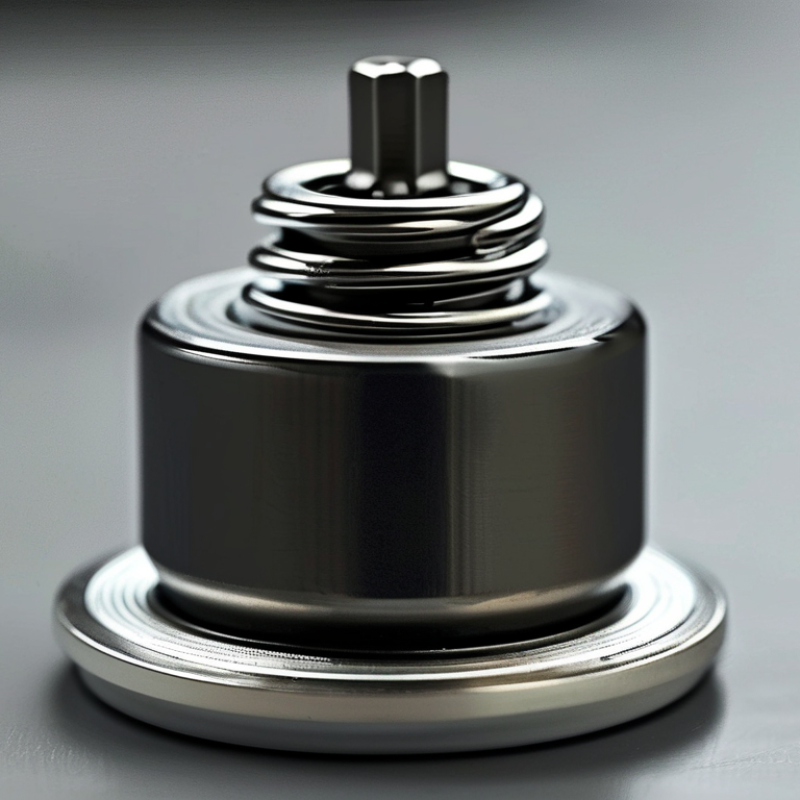
China Top 10 Magnetic Connector 2 Pin Suppliers

What Are 2-Pin Magnetic Connectors and How Do They Work?

A 2-pin magnetic connector uses two electrical contacts and a magnetic coupling system. The magnets guide the plug toward the socket and hold it in position. One pin usually carries positive power, while the other provides the return path. In some designs, the contacts support low-voltage charging or simple power delivery.

The connection looks simple, but its performance depends on contact pressure, magnet strength, and pin alignment. Spring-loaded contacts press against metal pads when the halves meet. This helps maintain conductivity despite small movements. A keyed shape or offset magnet can also prevent reversed connection. During inspection, check the contact plating, cable strain relief, and stated current rating. A loose cable can create heat at the joint.

Suppliers should provide test data, drawings, and material details. Ask how many mating cycles the connector can survive. Also verify resistance, insulation, and pull-off force under controlled conditions. Magnetic attraction alone does not guarantee reliability. Dust may collect around exposed contacts. Moisture can cause trouble. I have seen compact connectors pass a quick bench test, then fail after repeated bending. That weakness is easy to miss. A careful evaluation should include vibration, temperature changes, and repeated insertion tests before selecting a supplier.

China Top 10 Magnetic Connector 2 Pin Suppliers: Common DC Voltage Levels

Two-pin magnetic connectors typically carry two electrical paths: positive DC and negative DC return. The chart shows common nominal low-voltage DC supply levels used in applications such as charging, LED lighting, portable electronics, and compact equipment. These values represent commonly used system voltages, not the guaranteed rating of any specific connector.

Key Criteria for Evaluating Chinese Magnetic Connector Suppliers

China Top 10 Magnetic Connector 2 Pin Suppliers

Selecting among China’s top 10 magnetic connector 2 pin suppliers requires more than comparing prices. Evaluate contact stability, magnet strength, housing quality, and production consistency. Ask for samples from different batches. Inspect alignment, insertion force, cable flexibility, and resistance after repeated connections. A reliable supplier should provide clear drawings, material details, inspection records, and traceable lot numbers. Engineering support also matters when the connector must fit a tight enclosure or withstand vibration.

Tips: Request a small pilot order. Test it in real conditions. Check polarity protection, current capacity, temperature limits, and surface finish. Confirm whether testing is performed in-house or by an independent laboratory. Visit the factory when possible, or arrange a live video audit. Photographs alone can hide weak assembly practices.

A useful scorecard can include quality control, technical communication, lead time, tooling ability, and after-sales response. Review how quickly the supplier handles a dimensional problem. Their response often reveals more than a sales presentation. I have seen low-cost samples perform well, while later batches showed uneven plating or loose magnets. This is an important warning. Do not approve a supplier from one successful sample alone. Compare documents with physical results, and keep acceptance standards written before production begins. Supplier rankings may guide research, but verified evidence should guide the final decision.

China’s Top 10 Magnetic Connector 2-Pin Suppliers

China’s Top 10 Magnetic Connector 2-Pin Suppliers are often compared by engineering depth, production control, and response speed. A credible supplier should provide current ratings, contact resistance data, magnet specifications, and cycle-life results. These details matter more than attractive catalog photos. For small devices, stable two-pin contact can prevent charging interruptions and overheating risks.

Experienced buyers should inspect the connector structure closely. Look for gold-plated contact pins, firm spring movement, accurate magnet polarity, and clean cable soldering. Ask for samples from regular production, not only development units. Test insertion alignment, pull strength, temperature changes, and repeated connection cycles. A supplier with traceable inspection records is easier to trust.

The top ten should not be treated as a fixed ranking. Factory capability can change after equipment upgrades or staffing changes. Some suppliers communicate well but provide weak testing evidence. Others offer strong machining quality but respond slowly to design revisions. That weakness deserves attention. Buyers should compare tooling costs, minimum order quantities, certifications, lead times, and after-sales support before choosing. An on-site audit or independent sample test can reveal hidden gaps. No supplier is perfect, and even a reliable factory may miss a detail in the first quotation. Clear drawings and written acceptance standards reduce that risk.

Comparing Product Features, Quality, Customization, and Pricing

When comparing China’s top 10 magnetic connector 2 pin suppliers, product fit matters more than catalog claims. A 2024 MarketsandMarkets report estimates the global magnetic connector market will grow at a double-digit CAGR through 2028. This reflects demand for compact charging, lighting, wearable, and industrial assemblies. For buyers, contact resistance, rated current, pull strength, and polarity protection deserve direct testing. Small details matter.

Quality should be checked through inspection records, cycle tests, salt-spray results, and sample consistency. Suppliers using stable plating thickness usually deliver more reliable contact performance. However, test methods can differ between factories. That is an uncomfortable gap. Ask for raw test data, not only certificates. A 2 pin connector may look identical, yet spring force and magnet alignment can vary after repeated mating. In practical evaluations, I would test at least 30 samples from different production batches.

Customization separates capable suppliers from simple traders. Useful options include cable length, overmolding, magnet grade, waterproof sealing, and connector orientation. Pricing should include tooling, sampling, packaging, certification, and replacement terms. Industry connector cost studies commonly show materials and precision assembly as major price drivers. Therefore, the lowest quote may hide weaker plating or limited inspection. Compare landed cost over the product life, not only the first purchase order.

A balanced supplier scorecard should weigh quality at 40%, customization at 25%, price at 20%, and delivery support at 15%. These percentages are practical, but they should be revised after field failures.

How to Select and Verify the Right Supplier for Your Application

Selecting a China-based 2-pin magnetic connector supplier requires more than comparing catalog prices. Define your application before contacting factories. Record voltage, continuous current, cable length, mating cycles, contact resistance, and operating temperature. A connector for a handheld device may need a low-profile shell, while industrial equipment may require stronger magnets and strain relief.

Ask suppliers for drawings, material specifications, and recent test reports. Verify whether the reported current applies to continuous use or short-term loading. Request samples from the same production line, not only demonstration pieces. Test insertion force, magnetic alignment, polarity, heating, insulation, and accidental separation. Small details matter.

I once underestimated cable movement during testing. The connector passed electrical checks, yet the joint failed after repeated bending. That mistake changed my supplier review process. I now inspect crimp quality, overmolding, solder joints, and cable flexibility under realistic loads. Visit the factory when possible, or arrange an independent audit. Check quality records, batch traceability, incoming inspection, and corrective-action procedures. Certifications should be current and independently verifiable. Ask how rejected parts are controlled.

A reliable supplier should explain limitations clearly. Be cautious when answers sound perfect. Compare sample results with mass-production tolerances, packaging methods, lead times, and after-sales response. Keep written specifications and approval samples in the contract. Test again after any change in magnets, plating, cable, resin, or tooling. Suppliers can be capable, but verification must remain your responsibility.

FAQS

: What should I check when evaluating a magnetic connector supplier?

: Check contact stability, magnet strength, housing quality, and production consistency. Ask for drawings, material details, inspection records, and traceable lot numbers. Do not rely on price alone.

How many samples should I test?

Request samples from several production batches. For a serious evaluation, test at least 30 pieces. Inspect alignment, insertion force, cable flexibility, and contact resistance. One good sample proves very little.

Which performance tests are important?

Test current capacity, temperature limits, polarity protection, and pull strength. Repeat connection cycles and measure resistance afterward. Check whether the magnet loosens or the plating changes. Small differences matter.

Should I request a pilot order?

Yes, request a small pilot order before mass production. Use the connectors in the actual enclosure and operating environment. Test vibration, cable movement, charging performance, and repeated mating. Real conditions reveal hidden weaknesses.

How can I verify quality-control claims?

Ask for raw test data, cycle-test results, and salt-spray records. Confirm whether testing happens internally or through an independent laboratory. Compare certificates with physical samples. Documents can look perfect.

What customization options are commonly available?

Suppliers may offer different cable lengths, connector orientations, and overmolding designs. Other options include magnet grades and waterproof sealing. Confirm tooling costs, minimum quantities, and approval samples before production. Details often change the final price.

How should I compare supplier pricing?

Compare the complete landed cost, not only the initial quotation. Include tooling, sampling, packaging, testing, certification, and replacement terms. Very low prices may indicate weaker plating or limited inspection. Cheap today, expensive later.

How should I score potential suppliers?

A practical scorecard can assign 40% to quality and 25% to customization. Price may receive 20%, with delivery support receiving 15%. Revise these weights after field problems or delivery failures. The method is useful, not perfect.

Is a factory visit necessary?

A factory visit can reveal assembly discipline and inspection practices. If travel is impractical, arrange a live video audit. Ask to see production lines, testing equipment, and current batch labels. Photographs may hide problems.

What reveals a supplier’s reliability most clearly?

Observe how quickly the supplier handles a dimensional or alignment problem. Clear answers, corrective actions, and replacement terms are valuable. Sales presentations are less useful than actual responses. That gap matters.

Conclusion

This guide introduces the Magnetic Connector 2 Pin, explaining its two-contact structure, magnetic coupling mechanism, electrical connection, and practical advantages such as quick assembly, convenient disconnection, and reduced mechanical wear. It also outlines the main factors for evaluating Chinese suppliers, including product consistency, material quality, electrical performance, safety testing, production capacity, customization support, communication, and delivery reliability.

The article presents a neutral comparison of ten leading supplier types based on product features, quality control, customization options, service capabilities, and overall pricing value, without focusing on brand names. It also provides a practical process for selecting and verifying a suitable supplier, including reviewing technical specifications, requesting samples, checking test reports, assessing manufacturing processes, confirming minimum order quantities, and clarifying warranty and after-sales policies. By following these steps, buyers can make a more informed decision and identify a reliable partner for their specific magnetic connector application.


Charlotte

Charlotte

Charlotte is a seasoned marketing professional with a deep understanding of the company's portfolio and a passion for elevating its presence in the market. With a keen eye for detail and a commitment to excellence, she ensures that our professional blog is regularly updated with insightful articles......