What Are the Top 10 Magnetic Electrical Connectors?

Time:2026-10-01 Author:Henry
0%

Magnetic Electrical Connectors are changing how power and signals move between devices. Their snap-on connection saves time, reduces alignment errors, and offers a practical alternative to traditional plugs. You may see them in laptops, LED lighting, medical equipment, robotics, automotive systems, and compact consumer electronics.

This guide examines the top 10 Magnetic Electrical Connectors by focusing on real engineering needs. Contact stability matters. So does current capacity. We will compare magnetic strength, electrical resistance, operating voltage, durability, connector size, and protection against dust or moisture. Materials such as gold-plated contacts and heat-resistant polymers can influence long-term performance. Certifications and manufacturer testing also deserve close attention, especially in medical, industrial, or automotive applications.

A ranking is never absolute. A connector that performs well in a laboratory may fail under vibration, repeated bending, or poor maintenance. That detail is easy to overlook. The following selection combines technical specifications, practical use cases, and reliability considerations from established design principles. It also recognizes an uncomfortable truth: product data can be incomplete, inconsistent, or measured under ideal conditions. Readers should verify current ratings and safety documentation before choosing a model.

Whether you need a compact charging interface or a rugged industrial connection, this overview will help narrow the options. Expect clear comparisons, practical limitations, and details that matter after installation—not just impressive numbers on a product page.
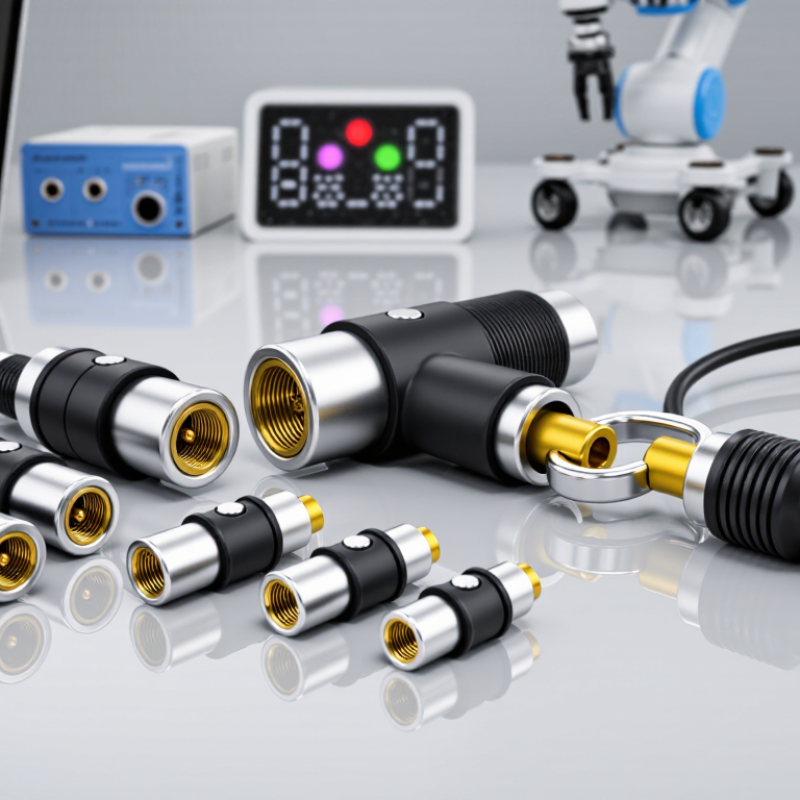
What Are the Top 10 Magnetic Electrical Connectors?

What Are Magnetic Electrical Connectors and How Do They Work?

Magnetic electrical connectors join circuits through magnetic alignment and conductive contact. Small magnets pull two connector halves together, guiding pins or metal pads into position. The magnets provide holding force, but they do not usually carry the electrical current. Spring-loaded contacts, often called pogo pins, complete the circuit when both sides meet.

That small click matters.

It confirms physical engagement, not electrical safety. A properly designed connector controls contact pressure, pin spacing, polarity, and current capacity. Some models support charging, signal transfer, or quick-release connections. Others use sealed housings for dust and moisture resistance. The top ten connector categories often include round, rectangular, multi-pin, waterproof, high-current, breakaway, cable-to-board, panel-mount, self-aligning, and low-profile designs.

Performance depends on more than magnet strength. Contact plating affects corrosion resistance, while spring travel helps manage small alignment errors. Excessive current can create heat, even when the connection feels firm. The design is not foolproof. A connector may separate safely during a pull, yet still fail under vibration or repeated bending. Sensitive electronic equipment may also require careful magnetic-field evaluation. In practical testing, check voltage drop, temperature rise, connection cycles, and release force. These measurements reveal weaknesses that a simple visual inspection can miss.

How Are the Top 10 Magnetic Connector Types Classified?

Magnetic electrical connectors are classified by their contact design, electrical purpose, mounting method, and working environment. The ten common types include magnetic pogo-pin, magnetic USB, magnetic barrel-power, magnetic circular, magnetic snap-in, waterproof magnetic, high-current magnetic, board-to-board magnetic, right-angle magnetic, and breakaway magnetic connectors. Each type solves a different connection problem.

Pogo-pin models use spring-loaded contacts for charging, testing, or removable modules. USB-style versions may support power and data, but their data performance needs careful verification. Barrel-power types suit compact DC equipment. Circular and waterproof designs offer stronger alignment in dusty or wet environments. High-current connectors use larger contacts and stronger retention. Board-to-board types save space inside devices, while right-angle versions help manage crowded layouts. Breakaway connectors disconnect under pulling force, reducing cable damage. Classification is not always clean. Some designs belong to two groups.

Tips: Check rated voltage, current, contact resistance, insertion cycles, magnetic force, and polarity protection. Inspect the connector after repeated use. Small metal debris can cause heating or unstable signals. Do not judge quality by appearance alone. A connector that feels strong may still have weak contacts. I have seen compact designs fail because their current rating was assumed, not measured. For reliable selection, compare the connector’s real load, alignment tolerance, sealing level, and cable movement with the equipment’s daily conditions.

What Are the Key Features of Each Top Magnetic Connector?

Magnetic electrical connectors are gaining attention as equipment becomes smaller, serviceable, and easier to detach. A 2024 industry report from Grand View Research values the global electrical connectors market at over USD 80 billion in projected annual revenue by 2030. Magnetic designs remain a specialized segment, but their safety and convenience are practical advantages.

The top ten types differ by contact and protection features. Pogo-pin connectors use spring contacts for repeated docking and compact assemblies. Spring-loaded circular connectors provide alignment around a central axis. Magnetic USB charging connectors support reversible attachment and replaceable cable ends. Magnetic DC barrel connectors offer simple power transfer for portable equipment. Magnetic blind-mate connectors compensate for small positioning errors during assembly. Board-to-board magnetic connectors reduce wiring and save enclosure space. Waterproof magnetic connectors use sealed housings, often targeting IP65 or higher under IEC 60529 testing. High-current magnetic connectors require thicker contacts and controlled heating. Hybrid power-and-data connectors combine charging with communication lines. Finally, custom modular connectors can match unusual shapes, contact counts, and mounting limits.

The details matter. Gold-plated contacts resist oxidation, while neodymium magnets improve retention in a small footprint. However, stronger magnets can complicate release and attract metal debris. A good design also includes polarity control, overcurrent protection, and strain relief. IEC 61984 highlights connector safety requirements, but it does not guarantee performance in every real installation. That distinction is easy to miss. Engineers should test mating cycles, vibration, temperature rise, accidental side loads, and moisture exposure. Some magnetic connectors look robust yet fail after repeated twisting. That is the uncomfortable part. Specification sheets rarely show every failure mode.

Where Are Magnetic Electrical Connectors Commonly Used?

Magnetic electrical connectors are commonly used where devices need fast, repeatable attachment. They appear in charging cables, wearable devices, portable instruments, and detachable control panels. A small magnetic pull guides the contacts into position, even when visibility is poor. This helps users connect equipment in crowded workspaces or dim rooms.

In healthcare equipment, these connectors can support removable sensors, monitoring accessories, and service panels. Safety remains essential. Medical applications require suitable insulation, secure contact spacing, and documented performance. They should not replace certified connections in critical circuits. In robotics and automation, magnetic connectors support tool changes, modular grippers, and temporary power links. Their quick release can reduce setup time. However, vibration may weaken contact stability.

Industrial fixtures often use them for test stations, battery modules, and replaceable control units. Engineers usually check current capacity, contact resistance, alignment tolerance, and protection against dust or moisture. Gold-plated contacts may resist corrosion, but they still need cleaning. Small details matter. In consumer electronics, magnetic connectors suit desk lamps, keyboards, speakers, and modular accessories. They also help prevent cable strain when a user pulls suddenly.

In field testing, a connector can appear secure while carrying unstable current. That mistake is easy to miss. Temperature, repeated mating, and metal debris can change performance over time. Designers should test real operating conditions, not only new samples. This is where magnetic convenience sometimes needs a more careful engineering decision.

The chart compares ten widely used magnetic connector categories by the number of common application contexts associated with each type. The score is an illustrative application-breadth index, not a market-share ranking. Magnetic connectors are commonly selected for fast alignment, detachable connections, easier cleaning, and breakaway safety.

How Can You Compare and Select the Right Connector?

Selecting among ten magnetic electrical connector designs starts with the application, not appearance. Compare contact count, rated current, voltage, mating force, and alignment tolerance. A compact two-contact connector may suit charging, while multi-contact versions support power and signals. Check whether contacts are spring-loaded, fixed, or designed to reduce surface oxidation. These details affect resistance across repeated cycles. Measure available space, cable bend radius, and panel thickness before ordering. Small gaps matter.

Environmental protection should be tested, not assumed. Look for a stated IP rating and operating temperature range. If the connector faces moisture, verify sealing after repeated mating and unmating. For vibration, compare retention force and magnetic release behavior. A connector that separates safely can protect equipment, but it may disconnect too easily. Review polarity control, shielding, grounding, and short-circuit protection. Electrical ratings often change with temperature and cable length. Request test data, drawings, and dimensional tolerances. Regional certifications can also improve purchasing confidence.

Build a comparison table for all ten candidates. Record price, lead time, cycle life, contact resistance, repair method, and documentation quality. Then test samples under real load. Warm contacts deserve attention. Inspect magnets for debris, because tiny metal particles can reduce alignment. One overlooked issue is field interference near sensors or storage media. Another is accidental attraction to nearby hardware. Select enough safety margin, rather than the smallest published rating. Ratings can be optimistic. Recheck the choice after installation, since real handling may differ from bench testing.

FAQS

What are magnetic electrical connectors?

They join circuits through magnetic alignment and conductive contacts. Small magnets guide pins or metal pads together. The magnets usually provide holding force, not electrical current.

How do magnetic connectors complete a circuit?

Spring-loaded contacts press against matching pads when both halves meet. This creates the electrical path. The small click confirms engagement, not electrical safety.

What are the common types of magnetic connectors?

Common types include pogo-pin, USB-style, barrel-power, circular, snap-in, waterproof, high-current, board-to-board, right-angle, and breakaway designs.

How should I choose the right connector?

Compare voltage, current, contact count, mating force, alignment tolerance, and available space. Also check cable bend radius and panel thickness. Small gaps matter.

Are magnetic connectors suitable for charging and data?

Some support charging, while others handle power and signals. USB-style designs may transfer data, but performance requires careful testing. Never assume it works.

Can a magnetic connector handle moisture and vibration?

Sealed designs can resist dust and moisture when properly rated. For vibration, check retention force and release behavior. A connector may disconnect too easily.

What safety details should I inspect?

Check polarity protection, contact spacing, current capacity, grounding, shielding, and short-circuit protection. Excessive current can heat the contacts. Firm attachment proves little.

How can I test connector performance?

Measure voltage drop, temperature rise, contact resistance, release force, and connection cycles. Test under the real electrical load. Visual inspection misses hidden weaknesses.

What problems can occur during repeated use?

Contacts may corrode, signals may become unstable, or magnets may collect metal debris. Repeated bending can cause failure. I would inspect every sample again.

Can magnetic fields affect nearby equipment?

Yes, sensitive sensors or storage media may require magnetic-field evaluation. Nearby metal hardware can also attract the connector unexpectedly. This risk is easy to overlook.

Conclusion

Magnetic Electrical Connectors provide a practical way to join and disconnect electrical circuits through magnetic attraction, guided alignment, and conductive contact points. Their design can simplify connection, reduce strain on cables, and support quick attachment in applications where convenience and reliable positioning are important. Depending on their structure and purpose, magnetic connectors may be classified by contact arrangement, connection direction, current capacity, data capability, housing style, and resistance to environmental conditions.

The top 10 magnetic connector types differ in features such as contact quantity, power and signal transmission, compactness, mechanical strength, alignment accuracy, durability, and ease of maintenance. They are commonly used in portable electronics, charging systems, lighting equipment, industrial devices, instruments, and modular products. To select the right connector, users should compare electrical ratings, contact configuration, magnetic force, size, operating environment, expected connection cycles, safety requirements, and installation method. A balanced evaluation of performance, compatibility, durability, and cost can help ensure a dependable connection for each application.


Henry

Henry

Henry is a dedicated marketing professional with a profound expertise in the company's offerings. With years of experience in the industry, he possesses an impressive understanding of the market dynamics and consumer behaviors that drive success. Henry is committed to sharing his insights through......