China Top Magnetic Electrical Connector Suppliers?

Time:2026-10-21 Author:Ethan
0%

China Top Magnetic Electrical Connector Suppliers? This question requires more than a factory list. Buyers need evidence of contact stability, magnetic retention, current capacity, plating quality, and production consistency. In practical terms, a connector should survive repeated attachment, vibration, dust, and small alignment errors.

Grand View Research reports that the global electrical connectors market continues expanding, driven by electric vehicles, industrial automation, consumer electronics, and data infrastructure. Bishop & Associates also identifies transportation and industrial electronics as major connector demand sectors. These trends create strong opportunities for Chinese manufacturers. However, market figures differ between reports because magnetic connectors are sometimes grouped with broader power or interconnect categories. The data is useful, but not perfectly comparable.

Ronald E. Bishop, president of Bishop & Associates, offers a relevant industry perspective: “Connector performance begins with the application, not the catalog.” That principle matters when assessing Magnetic Connector Electrical suppliers in China. A polished website proves little. Test records, factory audits, salt-spray results, contact-resistance data, and traceable quality systems matter more.

The strongest suppliers usually show clear engineering drawings, controlled tolerances, and documented testing. Look for certifications such as ISO 9001, UL recognition, RoHS compliance, and relevant IEC testing. Ask how magnets are secured inside the housing. Ask how contacts resist arcing and wear.

Small details matter.

A supplier may quote impressive current ratings, yet provide limited thermal evidence. Another may offer low prices but weak after-sales engineering. This overview therefore compares Chinese companies through technical capability, customization experience, production scale, certification, and delivery reliability. It also recognizes an uncomfortable truth: no single supplier is best for every Magnetic Connector Electrical application.
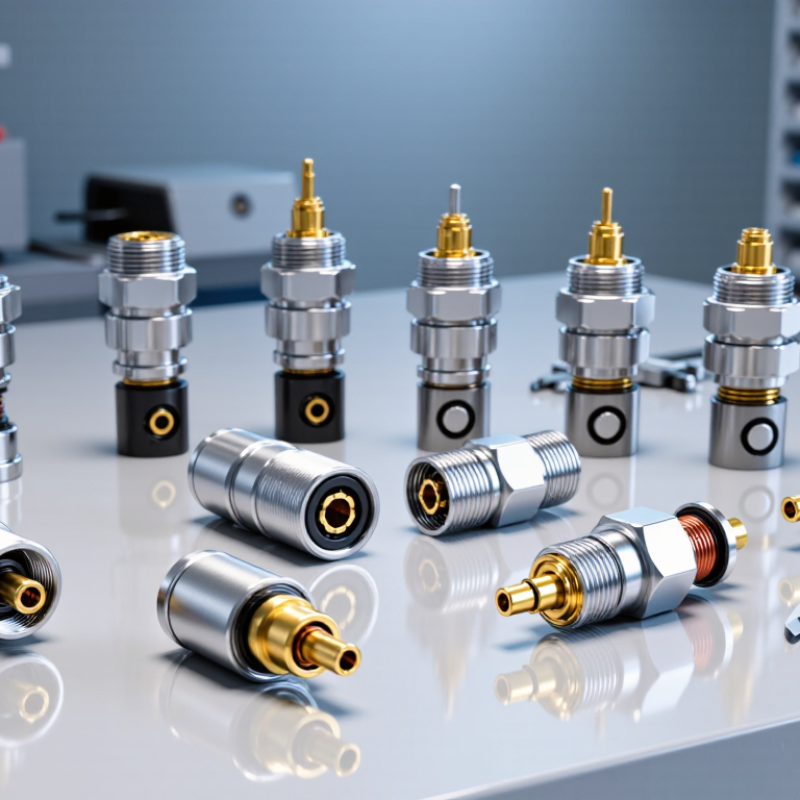
China Top Magnetic Electrical Connector Suppliers?

Magnetic Electrical Connectors: Definition, Structure, and Operating Principles

China Top Magnetic Electrical Connector Suppliers?

Magnetic electrical connectors join circuits through magnets and conductive contacts. They reduce alignment effort during assembly and frequent connection cycles. Unlike wireless charging, they still depend on physical metal contact. That distinction matters.

A typical connector contains a magnetic shell, contact pins, insulation, and a molded housing. Magnets guide the two halves into position. Spring-loaded pins press against matching pads. The circuit closes when both contact surfaces meet. A protective collar can reduce side movement and limit reverse connection. Small gaps create resistance, heat, and unstable signals.

During bench testing, engineers should inspect contact pressure, plating quality, cable flexibility, and separation force. A connector may look secure but disconnect under vibration. Not magic. Dust, moisture, and repeated impact can also reduce performance. Proper sealing and strain relief become important in industrial equipment, medical instruments, and consumer devices. In China’s electrical connector sector, capable manufacturers commonly use automated assembly, dimensional inspection, and electrical continuity testing. However, production scale alone does not prove reliability. Buyers should request current ratings, mating-cycle data, material details, and test records. Some specifications remain vague, which deserves careful questioning. A practical evaluation should test the connector at its actual voltage, current, temperature, and installation angle.

Connector Types in China: Pogo-Pin, Hall-Effect, and Magnetic-Latching Designs

China’s leading magnetic electrical connector suppliers increasingly separate three designs: pogo-pin, Hall-effect, and magnetic-latching connectors. Each solves a different engineering problem. Pogo-pin connectors use spring-loaded contacts for charging, docking, and test fixtures. Their contact force, plating thickness, and cycle life require close inspection. A small alignment error can cause intermittent power.

Hall-effect connectors detect magnetic fields without exposed electrical contacts. They suit sealed housings, rotating assemblies, and position sensing. According to MarketsandMarkets, the global magnetic sensors market is projected to grow from about USD 6.1 billion in 2023 to USD 10.7 billion by 2028. This growth supports wider demand for compact magnetic interfaces, although sensor performance still depends on air gap, temperature, and calibration. These details are often underestimated.

Magnetic-latching connectors combine permanent magnets with electrical contacts or pogo pins. They offer quick attachment and controlled separation, useful for medical instruments, handheld equipment, and modular electronics. Grand View Research reports that the global electrical connectors market was valued above USD 80 billion in 2023, with continued demand for miniaturized and high-reliability solutions. Supplier evaluations should include insertion cycles, retention force, contact resistance, IP testing, and RoHS documentation. Fit matters. A supplier may publish impressive pull-force data but omit side-load results. That omission deserves questions. Depending only on catalog figures is risky; prototype testing remains necessary before volume purchasing.

China Top Magnetic Electrical Connector Suppliers? - Connector Types in China: Pogo-Pin, Hall-Effect, and Magnetic-Latching Designs

Technical comparison of commonly sourced magnetic electrical connector designs in China. Electrical ratings are typical design ranges and must be confirmed against the selected connector specification, materials, mating cycles, and operating environment.

Connector Design Operating Principle Typical Electrical Characteristics Mechanical and Magnetic Features Common Applications Key Benefits Important Selection Criteria
Pogo-Pin Connector
Spring-loaded contact design
A spring-loaded plunger maintains contact pressure against a mating pad, ring, or flat contact surface. Electrical continuity is created through mechanical compression rather than a permanent plug connection. Typical commercial designs support approximately 0.5–10 A per contact, depending on pin size and thermal conditions. Signal versions commonly support low-voltage DC and digital interfaces such as USB-related signals, UART, and charging contacts. Usually uses a barrel, spring, plunger, and contact tip. Magnetic elements may be added for alignment or retention. Contact travel is commonly around 0.5–2.0 mm, depending on the design. Wearable devices, test fixtures, charging docks, handheld electronics, medical equipment, industrial sensors, battery packs, and removable modules. Compact structure, easy blind mating, replaceable contact modules, good tolerance for repeated docking, and suitability for automated test interfaces. Rated current, contact resistance, spring force, working travel, compressed length, plating material, mating-cycle requirement, surface flatness, and protection against dust or moisture.
Hall-Effect Magnetic Connector
Magnetically detected interface
A Hall-effect sensor detects the magnetic field produced by a nearby permanent magnet. The sensor can identify connection, position, orientation, or latch status without requiring a direct electrical contact for the sensing function. Hall sensors commonly operate from low-voltage supplies such as 3.3 V or 5 V. Outputs may be digital, open-drain, or analog, depending on the sensor architecture. The actual power-contact rating is determined by any separate conductive connector used in the assembly. Provides non-contact magnetic detection. It can be combined with pogo pins, spring contacts, or a cable connector. Switching thresholds depend on magnetic field strength, sensor sensitivity, air gap, and alignment. Position detection, removable covers, safety interlocks, smart accessories, consumer electronics, door and enclosure sensing, automotive subassemblies, and industrial control equipment. No mechanical wear in the sensing element, sealed detection capability, quiet operation, and the ability to detect proximity through non-magnetic covers or housings. Supply voltage, output logic, magnetic operating threshold, release threshold, hysteresis, sensing distance, temperature range, magnetic interference, and the required separation between sensing and power contacts.
Magnetic-Latching Connector
Magnet-assisted detachable connection
Permanent magnets guide the connector into position and provide holding force. Conductive contacts transfer power or signals when the two connector halves are aligned. Typical low-voltage designs may carry approximately 0.5–10 A per power contact, while signal contacts are generally selected for lower-current data or control circuits. Voltage and current ratings depend on contact spacing, insulation, housing material, and thermal design. Uses magnets for self-alignment and retention, often together with pogo pins, flat contacts, or spring contacts. Polarized magnet arrangements can help prevent incorrect orientation or reverse mating. Laptop and tablet accessories, charging cables, robotics, portable instruments, modular lighting, e-mobility accessories, industrial modules, and detachable control panels. Fast one-handed connection, reduced risk of cable pull damage, convenient blind mating, improved user experience, and easy separation under excessive tensile force. Holding force, breakaway force, magnet polarity, alignment tolerance, contact sequencing, arc suppression, hot-plug behavior, short-circuit protection, shielding, and accidental side-load resistance.
Hybrid Magnetic Connector
Power, signal, and sensing combined
Integrates magnetic alignment or latching with separate power contacts, signal contacts, and optional Hall-effect sensing. Different contact groups can perform charging, communication, and connection-status detection. Power contacts may be specified for several amperes, while signal contacts are designed for low-current communication. Separate grounding, shielding, and contact sequencing may be required for USB, serial, CAN, or proprietary low-voltage interfaces. Often includes keyed housing geometry, multiple magnet positions, spring contacts, insulating barriers, and a controlled contact sequence to reduce the risk of short circuits during mating. Robotics, medical instruments, docking stations, portable computing accessories, industrial handheld terminals, battery modules, and modular automation equipment. Combines mechanical convenience with power delivery, data communication, and electronic connection detection in one compact interface. Pin assignment, contact sequencing, creepage and clearance, electromagnetic compatibility, thermal rise, signal integrity, waterproofing method, cleaning process, and lifecycle testing.

Note: Pogo-pin and magnetic-latching products are connector architectures, while Hall-effect technology is primarily a magnetic sensing method that can be integrated into a connector assembly. Final ratings should be verified using qualification samples and the supplier’s controlled datasheet.

Core Specifications: 1–10 A, 5–24 VDC, IP67, and ≤50 mΩ Resistance

China Top Magnetic Electrical Connector Suppliers?

For industrial buyers, the useful question is not price alone. It is whether a connector consistently delivers 1–10 A, 5–24 VDC, IP67 protection, and resistance of 50 mΩ or less. These figures suit sensors, control panels, compact actuators, and outdoor automation equipment.

The IEC 60529 standard defines IP67 as dust-tight protection and temporary immersion resistance up to one metre. Testing must still reflect the final cable, housing, and mating condition.

Small details matter. A 10 A connector needs suitable contact plating, stable spring pressure, and controlled heat rise.

A 24 VDC circuit may tolerate voltage variation, but a 50 mΩ contact can still create measurable losses at higher current.

Grand View Research reported that the global electrical connectors market was valued at about USD 84 billion in 2023, with industrial automation supporting continued demand. That growth also increases specification confusion.

Ask suppliers for test records, not only catalogue claims. Request current-carrying curves, insulation resistance, mating-cycle results, and IP testing conditions. Samples should be checked after vibration, cable bending, and repeated connection.

A connector can pass in a clean laboratory and perform poorly beside oil mist or metal dust. That is easy to overlook.

In practice, some purchasing teams specify IP67 but ignore sealing compression and cable geometry. That decision deserves review.

Supplier Qualification: IEC 60512 Testing, UL/CE Marks, RoHS, and ISO 9001

China’s magnetic electrical connector market rewards disciplined qualification, not attractive samples alone. A 2024 MarketsandMarkets report valued the global electrical connector market at about USD 84.5 billion. It forecasts approximately USD 105.7 billion by 2029. This scale increases pressure on procurement teams to verify evidence.

Request an IEC 60512 test matrix, not a single pass statement. It should show contact resistance, insulation resistance, dielectric withstand, temperature cycling, vibration, and mating-cycle results. Record sample size, test level, laboratory, date, and failure criteria. Small details matter. A connector may pass initial continuity yet fail after humidity exposure.

Check UL certification records against the exact housing, magnet assembly, wire gauge, and temperature rating. CE is a manufacturer’s conformity declaration, supported by a technical file. It is not a universal performance certificate. For RoHS, require material declarations plus targeted XRF or chemical testing. ISO 9001 certificates help, but audit traceability, calibration logs, corrective actions, and change control.

In a supplier review, link every report to a drawing revision and production lot. Ask for retained samples and controlled processes for magnet strength, plating thickness, and pull force. An independent laboratory adds credibility when internal data looks unusually clean. That is not proof of wrongdoing. It is a sensible challenge.

Top Supplier Comparison: 10,000+ Mating Cycles, Customization, and Lead Times

When comparing China’s magnetic electrical connector suppliers, mating-cycle claims deserve careful verification. A dependable supplier should provide test conditions, not only “10,000+ cycles” in a catalog. Ask whether the test used rated current, vibration, dust, and repeated misalignment. These details affect real service life. A connector may survive the laboratory but fail beside a machine door. That gap matters.

Customization also separates experienced manufacturers from simple resellers. Confirm drawings, magnet strength, pin layout, cable length, sealing method, and contact resistance before approval. Reliable teams should offer samples, inspection records, material data, and traceable batch information. Lead time needs equal attention. Standard samples may ship within days, while tooling, molded parts, and small custom batches can take several weeks. Request a timeline with design review, prototype approval, production, and inspection dates. Keep safety stock for critical projects. It is less exciting, but practical.

Do not compare prices alone. Compare test evidence.

One weakness in many supplier evaluations is trusting polished documents too quickly. I have seen cycle testing reported without explaining failure criteria. That is not necessarily dishonest, but it is incomplete. A stronger comparison checks connector performance after cycling, including temperature rise, magnetic holding force, and signal stability. Factory audits and independent sample testing add confidence, although they increase purchasing time and cost. A clear supplier should accept those questions without avoiding specifics.

FAQS

What electrical ratings should an industrial magnetic connector support?

Look for 1–10 A and 5–24 VDC ratings. These values suit sensors, control panels, actuators, and outdoor automation equipment. Confirm current-carrying curves, not just headline specifications.

What does IP67 protection mean for a connector?

IP67 means dust-tight protection and temporary immersion resistance up to one metre. Testing must include the final cable, housing, and mating condition. Sealing compression matters. A laboratory result may not represent field installation.

Why is contact resistance important?

Contact resistance should remain at 50 mΩ or less. At higher current, resistance can create heat and voltage loss. Check plating, spring pressure, and temperature rise. Small resistance changes matter.

Which test records should a supplier provide?

Request IEC 60512 records for contact resistance and insulation resistance. Also request dielectric withstand, vibration, temperature cycling, and mating-cycle results. Records should identify samples, dates, laboratories, and failure criteria. One pass statement is insufficient.

How can buyers verify a connector’s mating-cycle claim?

Ask whether testing used rated current, vibration, dust, and misalignment. A claim of over 10,000 cycles needs detailed conditions. Review temperature rise, magnetic holding force, and signal stability afterward. Cycle counts alone can mislead.

What should buyers check when requesting customization?

Confirm drawings, pin layout, magnet strength, cable length, and sealing method. Define contact resistance and inspection requirements before approval. Request traceable samples and batch records. Details get missed sometimes.

How should production lead time be evaluated?

Separate sample delivery from tooling, molding, production, and inspection dates. Custom batches may require several weeks. Request a written timeline with approval milestones. Keep safety stock for critical projects.

Which quality documents deserve closer review?

Check ISO 9001 records, calibration logs, corrective actions, and change control. For restricted materials, request declarations and targeted chemical testing. Match every report to a drawing revision and production lot. Polished documents are not enough.

Conclusion

Magnetic Connector Electrical systems provide a convenient and reliable way to transfer power and signals through detachable connections. Their construction commonly combines magnets, conductive contacts, housing materials, and alignment features, allowing connectors to attach quickly while reducing stress caused by misalignment. In China, major design categories include pogo-pin connectors, Hall-effect sensing connectors, and magnetic-latching structures, each serving different requirements for charging, signal transmission, safety detection, and automated equipment.

When evaluating suppliers, buyers should compare core specifications such as 1–10 A current capacity, 5–24 VDC operating voltage, IP67 protection, and contact resistance of no more than 50 mΩ. Supplier qualification should include IEC 60512 testing, applicable UL and CE certifications, RoHS compliance, and ISO 9001 quality management. Important purchasing factors also include durability of over 10,000 mating cycles, custom cable and housing options, production consistency, sample support, and realistic lead times. A complete comparison helps customers select a dependable solution for industrial, medical, consumer, and smart-device applications.


Ethan

Ethan

Ethan is a seasoned marketing professional with a deep expertise in our company's innovative product line. With a passion for sharing knowledge and insights, he takes the lead in regularly updating our corporate blog, where he explores industry trends, product features, and effective marketing......